Somalia Faces Mounting Security and Political Pressures as Foreign Troops Prepare to Withdraw
-
 Staff Reporter GAROWE ONLINE
- Posted On 02-11-2026, 07:56PM
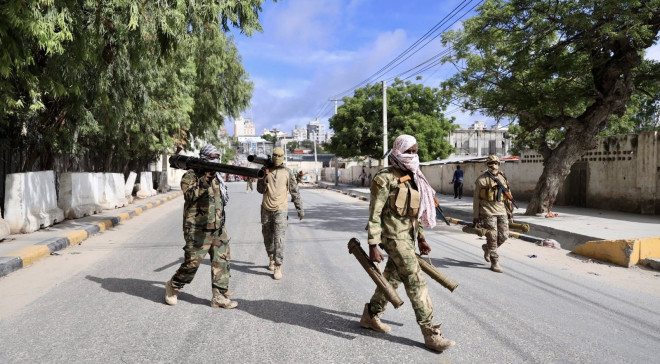
MOGADISHU — Somalia's federal government is facing mounting security and political challenges as foreign troops prepare to withdraw from key positions in the country's Lower Shabelle region, raising concerns about a potential security vacuum and renewed instability.
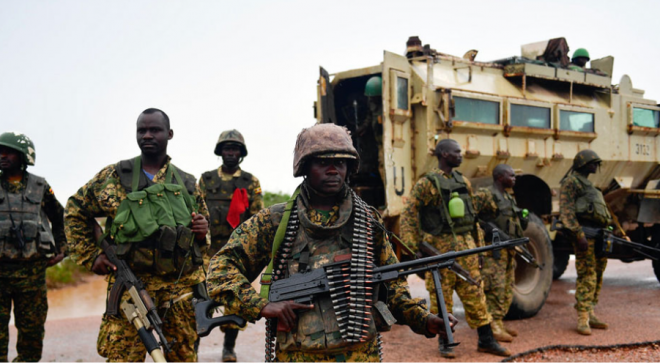
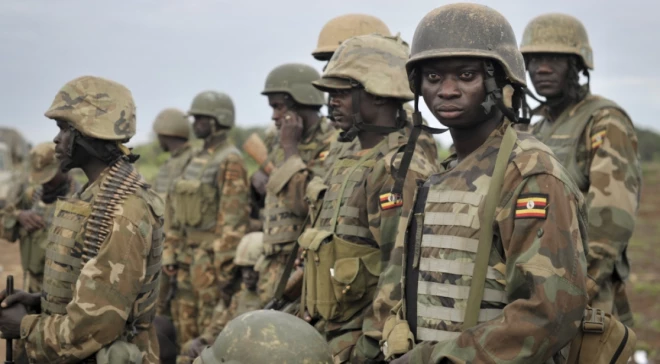
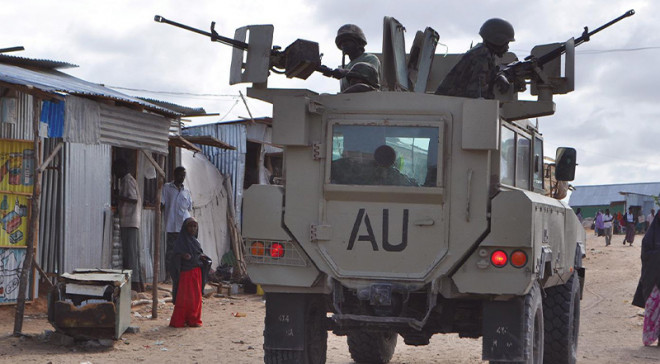
The African Union Support and Stabilization Mission in Somalia (AUSSOM), particularly Ugandan forces, is preparing to pull troops from several areas in Lower Shabelle and consolidate its presence around the Halane compound in Mogadishu, according to a report citing diplomatic correspondence.
A letter sent to Western embassies, contains security warnings and outlines preparations for possible developments over the next 120 days. The correspondence points to growing concerns about the country's security situation as international forces reduce their presence outside the capital.
Uganda is among the largest troop contributors to AUSSOM, which supports Somali security forces in operations against Al-Shabaab and efforts to stabilise areas recovered from the militant group.
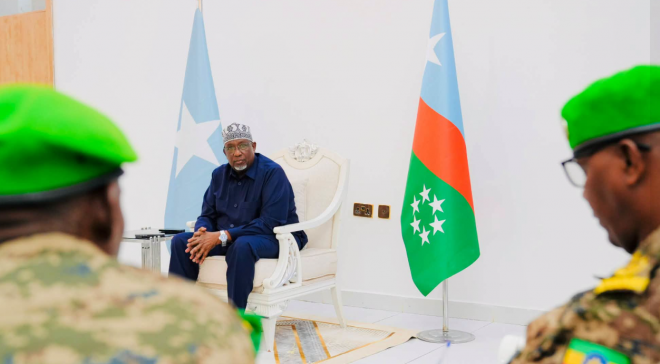
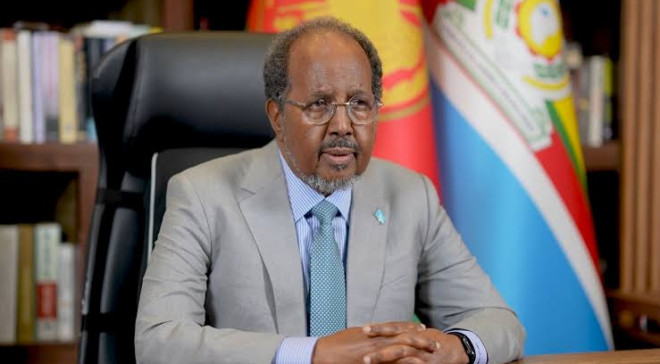
The planned redeployment comes as Somalia faces a prolonged political dispute between President Hassan Sheikh Mohamud's administration and opposition groups over constitutional changes and the electoral process ahead of the 2027 elections.
The political tensions have also intensified following efforts by the president to build support among political and traditional constituencies, while members of the opposition-led Somali Future Council continue to challenge the government's proposed electoral arrangements.
According to the report, Hassan has sent two senior officials from the security and judicial institutions to engage with opposition figures who share power arrangements with the government. He reportedly warned that pursuing an alternative political structure could lead to the relocation of the country's capital, urging political actors to support his position.
The remarks could further complicate relations between the government and the Somali Future Council, an opposition alliance that includes prominent former leaders and representatives of federal member states.
The council has also faced criticism over its decision to open discussions with military officials representing the president, despite the government's continued commitment to its proposed electoral process.
The report said the opposition's decision to engage in the talks, without securing changes to the government's position on the electoral framework, had raised questions about its negotiating strategy.
The security situation in South West State is adding to the pressure on the federal government.
Key bridges near Buurhakaba, along the route connecting the town to Mogadishu, have reportedly been cut, potentially complicating the movement of troops and supplies.
The developments come after federal forces withdrew from positions around Leego, while some troops who left the area have reportedly been reluctant to return to the battlefield.
The situation in South West has been marked by tensions between forces aligned with the federal government and those loyal to former regional president Abdiaziz Hassan Mohamed Lafta-Gareen, with control of strategic towns and military positions remaining a major point of contention.
The combination of the planned foreign troop redeployment, political divisions and instability in South West State presents a significant challenge for Hassan's administration as Somalia prepares for a sensitive electoral period.
The reported diplomatic warnings covering the next 120 days highlight growing international concern about the potential consequences of overlapping political and security crises.
GAROWE ONLINE