Somalia-China Seafood Deal Triggers Marine Exploitation Concerns Ahead of Duty-Free Trade Launch
-
 Staff Reporter GAROWE ONLINE
- Posted On 18-08-2026, 08:56PM
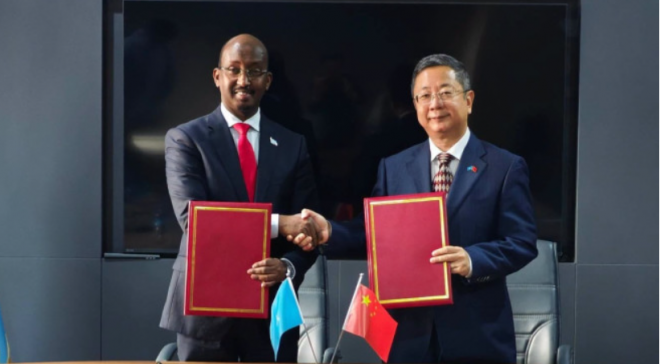
MOGADISHU, Somalia — Somalia is set to begin official seafood exports to China next month under a new duty-free trade initiative, officials confirmed, even as critics warn that Beijing’s growing presence in East African waters, masked as investment, amounts to systemic plunder of Somalia’s marine resources.
Under the agreement finalized in Mogadishu between Somalia’s Ministry of Fisheries and the Chinese Embassy, Somali merchants gain tariff-free access to China's massive consumer market. The pact was formally signed by Somalia’s Minister of Fisheries alongside Beijing’s ambassador.
Abdi Dirshe, Director General of the Ministry of Fisheries and the Blue Economy, hailed the deal as a vital milestone for national development.
"Opening the Chinese market will generate local employment and attract critical foreign investment in cold-storage facilities, processing plants, and supply chain logistics," Dirshe stated.
Local trade groups praised the deal as a major entry point into global commerce. However, severe sector bottlenecks remain, including low catch yields, a stark lack of modern processing facilities, and stringent international quality standards required by Chinese regulators.
Shadow of Ocean Exploitation
Despite the official celebration, marine conservationists and regional analysts urge caution, pointing to previous investigative reports detailing widespread resource extraction by Chinese distant-water fishing fleets operating along the Horn of Africa.
While Beijing frames its maritime engagement as mutual economic cooperation, critics argue that Chinese vessels—operating under legal loopholes and investment permits—frequently engage in unsustainable harvesting practices.
Concerns have been raised over industrial trawlers skimming sensitive breeding grounds and systematically removing vulnerable species, including raw tuna eggs, severely destabilizing Somalia’s fragile marine ecosystem.
As exports prepare to launch next month, Somali authorities face the delicate balance of expanding legitimate trade capabilities while safeguarding the country's vast, vulnerable coastline from unmonitored depletion.
GAROWE ONLINE