Somali politicians linked to Qatar welcome federal decision affecting UAE ties
-
 GAROWE ONLINE
- Posted On 12-01-2026, 10:19PM
MOGADISHU, Somalia — Somali politicians known for their close ties to Qatar have welcomed a decision by Somalia’s Federal Government to downgrade relations with the United Arab Emirates, according to statements and comments posted on social media.
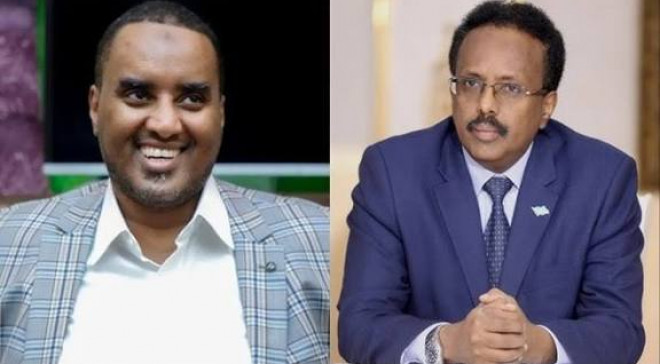
Former Somali president Mohamed Abdullahi Farmaajo, who has lived in Turkey and Qatar since leaving office, expressed support for the decision in a statement posted on his Facebook page, backing the move taken by the Federal Government’s Council of Ministers.
“I welcome the decisions issued today by the Federal Government of Somalia regarding the protection of Somali sovereignty, unity and national cohesion,” Farmaajo said. “The people and government of Somalia have an obligation to ensure that countries with which we maintain partnerships and friendly relations respect Somalia’s sovereignty and independence.”
Farmaajo did not explicitly mention the United Arab Emirates in his statement but broadly endorsed the decision announced by the Council of Ministers.
During Farmaajo’s time in office, relations between Somalia and the UAE were strained. He was widely known to have maintained close political ties with Qatar, along with his former political ally Fahad Yasin.
According to informed sources, Qatar played a significant role in providing political and financial support to Farmaajo during his presidential campaign, although no official details or figures regarding that support have been publicly disclosed.
Separately, Fahad Yasin, now the leader of the newly formed political party Haybad Qaran, also welcomed the federal government’s decision in a brief Facebook post, congratulating Somali President Hassan Sheikh Mohamud on the move taken by his administration.
“TONIGHT BELONGS TO HASSAN SHEIKH. CONGRATULATIONS,” Yasin wrote.
Yasin, a former close associate of Farmaajo, is also among Somali politicians who receive political backing and residency support from Qatar, according to sources.
An unnamed Somali politician told Garowe Online that the statements reflect how Somali political figures are aligning themselves with rival Gulf powers competing for influence in Somalia.
“These statements show how Somali politicians are lining up behind Gulf states involved in the regional rivalry, without giving sufficient consideration to the hardships such rivalries impose on the Somali population,” the politician said.
Tensions among Gulf states have intensified in recent weeks, particularly following Israel’s announcement recognizing Somaliland and the ongoing crisis in Yemen, developments that have had broader political implications for the region and Somalia’s diplomatic relations.
GAROWE ONLINE