Somalia on the Brink of Fragmentation Under Hassan Sheikh Amid Escalating Federal Rift
-
 Staff Reporter GAROWE ONLINE
- Posted On 08-12-2025, 03:35PM
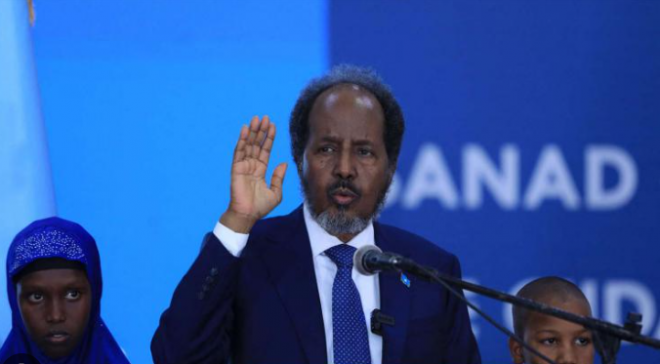
MOGADISHU, Somalia - Political squabbles have extended in Somalia, with the latest fallout with Jubaland threatening to split the country further and most likely affecting service delivery and the effectiveness of federalism systems.
Under President Hassan Sheikh Mohamud, political feuds have increased, with recent changes to the constitution without input from a section of stakeholders deepening the conflict. The country is shifting from indirect elections to a universal suffrage model.
On Sunday, Jubaland Speaker Sheikh Abdi Mohamed said the region will be known as “Jubaland State,” dropping the words “federal member” from its official name. A similar move was pulled by Puntland in 2023 after fallout with Mogadishu.
Jubbaland Parliament Speaker Abdi Mohamed Abdirahman said lawmakers approved amendments removing all references to “federal member state” from the regional charter. The revisions, he said, formally establish the entity as the Government of Jubbaland.
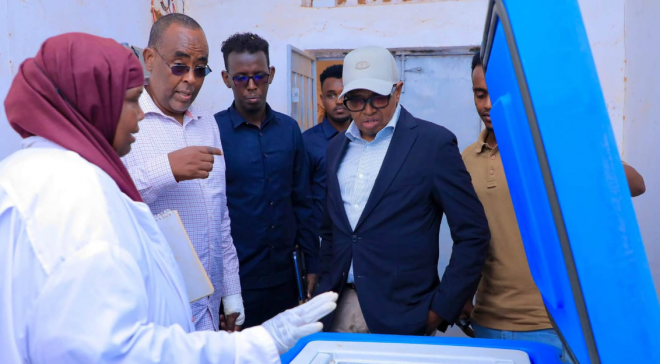
“We have enacted the amendments and removed the term from the constitution,” Abdirahman said at the Eighth Jubbaland Health Conference. “From today, it is the Government of Jubbaland.” He directed the regional cabinet to use the new designation in all official matters.
Puntland had announced that it would conduct its own affairs like an independent government until the national constitution is completed and a referendum is held. In March last year, Puntland withdrew recognition of the federal government after constitutional amendments were passed by parliament.
Despite the strained relations with Mogadishu, many observers expect the Puntland leader, Said Deni, to run for federal president next year. Jubaland is also planning to host opposition leaders in Kismayo in the coming days.
Both Deni and Madobe have questioned the suitability of Hassan Sheikh Mohamud, accusing him of running down the country’s economy, politics and social integration, particularly taking offence at limited support from the central government.
Two months ago, Hassan Sheikh travelled to Jubaland to iron out differences with the regional leader, Madobe. The federal government does not recognise last year’s re-election of Madobe, the main source of tension between the region and the federal government.
Madobe had questioned the intent of deploying troops in Gedo and Ras Kamboni, where they confronted the regional forces. The federal troops were defeated in the battle, but the quest to control parts of Jubaland is still alive, given the massive interest in Gedo.
The continued fragmentation and persistent disputes strengthen the fears of many Somalis who believe that the federal system may not be the most suitable model of governance for the country, although others insist the federal system is what has been keeping the country united, so far.
The push and pull could also affect upcoming elections, with the two federal states insisting on the indirect model, arguing that the country does not have the capacity to conduct direct polls, noting that such attempts would lead to unprecedented term extensions.
GAROWE ONLINE