U.S. Intensifies Deportation Drive, Somalia Tops African Deportation List
-
 Staff Reporter GAROWE ONLINE
- Posted On 29-01-2025, 11:53AM

WASHINGTON — The U.S. Immigration and Customs Enforcement (ICE) has launched an aggressive campaign to deport undocumented immigrants, with Somalia taking the lead among African countries in the numbers targeted for removal. This intensified action underlines the Trump administration's commitment to a stringent immigration policy.
Somalia now tops the list for African countries with 4,090 of its citizens marked for deportation, highlighting the scale of enforcement targeting this community. Nigeria follows with 3,690 individuals, and Ghana with 3,228. The list also includes smaller numbers from other African nations: Namibia with 19, Botswana with 12, South Africa with 379, Eswatini with 6, Liberia with 1,563, Mozambique with 14, Angola with 662, Zambia with 174, Malawi with 58, Zimbabwe with 545, and Kenya with 1,282.
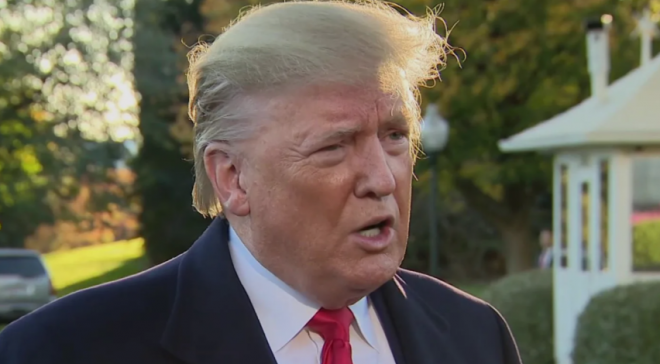
The surge in deportations comes in the wake of President Donald Trump's inauguration, during which he has pushed forward an aggressive immigration agenda. Among the executive orders signed by Trump is one aimed at revising the policy of birthright citizenship, specifically targeting children born to undocumented immigrants in the U.S.
This policy shift has sparked widespread debate and concern among immigration rights advocates, who argue that the measures could lead to family separations and significant human rights issues. Critics also point out that the focus on Somalia could be linked to broader security concerns, given the country's history of political instability and terrorism threats, although no direct link to these factors has been officially stated by ICE or the administration.
The administration's actions reflect a hardline stance on immigration. Officials cite public safety and the enforcement of existing laws as primary motivations. However, this approach has led to protests and legal challenges from various groups concerned about its implications for human rights and international relations.
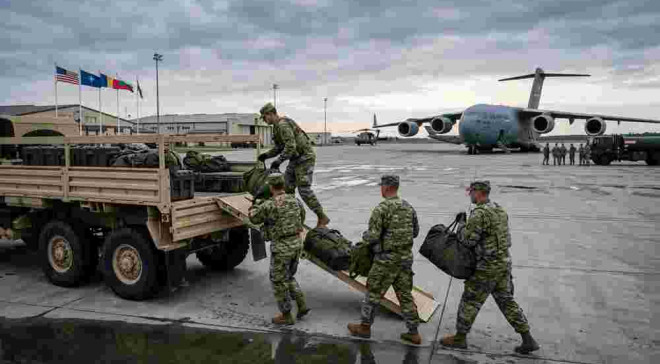
As ICE continues its operations, the international community watches closely. Some countries are preparing to receive their citizens back, while others express concerns over the humanitarian aspects of such large-scale deportations. The situation remains fluid, with the potential for further legal and diplomatic developments as the policy unfolds.
GAROWE ONLINE