Living in Fear: African Migrants Face Rising Xenophobic Threats in South Africa
-
 Staff Reporter GAROWE ONLINE
- Posted On 06-05-2026, 11:48AM
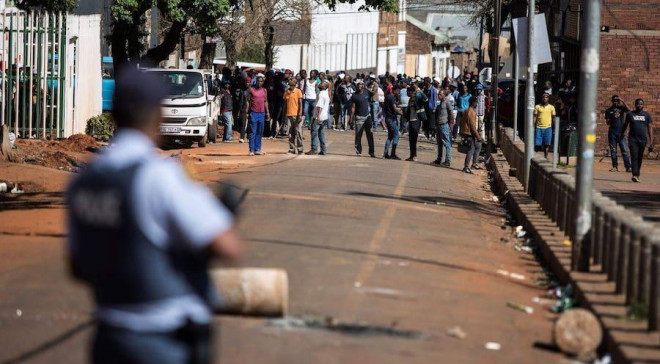
JOHANNESBURG — African migrants in South Africa’s major urban centers are facing a surge in hostility as xenophobic tensions escalate in Pretoria and Johannesburg, prompting several diplomatic missions to issue urgent safety warnings to their citizens.
Foreign nationals have been advised to shutter their businesses and exercise extreme vigilance following a series of anti-migration protests. Diplomatic representatives from Ghana and Nigeria issued formal advisories this week, urging their nationals to avoid demonstration sites to escape potential violence.
In Pretoria, hundreds of protesters marched through the streets chanting anti-migrant slogans. The organizers, who claim to be targeting illegal immigration, argue that foreign nationals unfairly compete for local jobs and strain overstretched public services.
South African President Cyril Ramaphosa has moved to condemn the targeting of foreigners, calling on citizens to reject hatred and discrimination. Ramaphosa reminded the public of the critical support other African nations provided to South Africa during the struggle against apartheid.
Despite the government's stance, anti-migrant sentiment has intensified in recent years. Many South Africans accuse foreign residents of contributing to high crime rates and economic instability—narratives that have historically triggered deadly mob violence.
The Nigerian government announced plans to repatriate citizens who wish to leave South Africa, with more than 130 people already registered for the program. Nigerian officials expressed "grave concern" over the safety of their community following reports of targeted attacks.
Recent weeks have seen a sharp decline in foreign-owned business activity, amid reports that several Ethiopian nationals were killed in separate attacks. Migrants living in the affected townships say they are living in a state of constant fear.
"The situation is becoming unbearable," said one shop owner in Johannesburg who requested anonymity for safety reasons. "We are staying indoors and keeping our shops locked, but we don't know if we will be safe when the sun goes down."
Human rights groups are warning that without immediate and decisive intervention to de-escalate the rhetoric, the country could face a repeat of the widespread unrest seen in previous years.
GAROWE ONLINE