Hospitals providing free medical treatment, educational and water projects spanning more than a decade, and Somali and regional commendations for the UAE’s humanitarian support to a country grappling with accumulated development challenges.
In the Somali capital, Mogadishu, where years of conflict and weak infrastructure have posed significant obstacles to accessing healthcare services, Sheikh Zayed Hospital stands as a tangible example of the humanitarian projects implemented by the United Arab Emirates to support the Somali population. Opened in 2015 and reopened following comprehensive renovation works in February 2024, the hospital provides patients with free medical services and medication in a country where healthcare costs remain a barrier for many families.
The hospital represents just one aspect of a broader UAE assistance effort in Somalia, which over more than a decade has encompassed healthcare and education projects, well drilling and water provision, as well as food relief programmes and assistance to displaced families.
Official data indicate that assistance provided to Somalia between 2010 and March 2020 amounted to approximately AED 1.2 billion, distributed across several sectors, including education, healthcare, water and social services.
Sheikh Zayed Hospital: Free Healthcare in the Heart of Mogadishu
In April 2018, the US-based Atlantic Council published an analysis of UAE-Somalia relations, noting that the UAE government and its charitable institutions had funded numerous humanitarian projects, including Sheikh Zayed Hospital in Mogadishu. The centre explained that the hospital, which opened in 2015, provided free treatment to hundreds of patients daily. This reference is particularly significant because it appeared in an analysis published by an international research institution examining relations between the two countries within a complex political context, rather than merely presenting official UAE data.
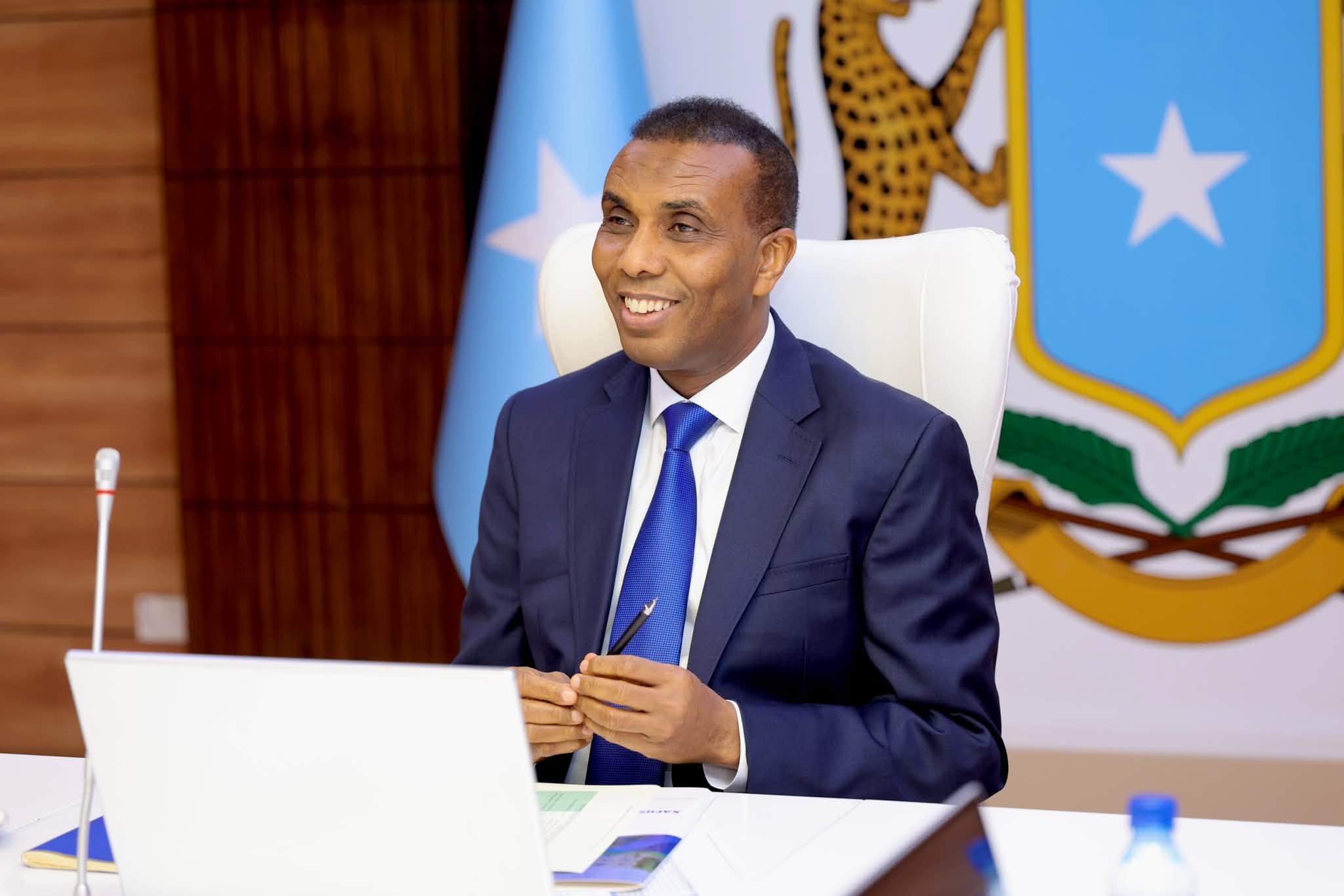
On 2 February 2024, the hospital entered a new phase with its reopening following rehabilitation works and the installation of modern medical equipment. The ceremony was attended by Somali Prime Minister Hamza Abdi Barre and UAE Ambassador Ahmed Juma Al Rumaithi. The development works covered the emergency, general surgery, internal medicine, paediatrics, dentistry, obstetrics and gynaecology, dermatology, and ear, nose and throat departments, in addition to medical imaging services.
According to the official statement issued by the UAE Ministry of Foreign Affairs, the Somali prime minister praised bilateral relations and cooperation between the two countries during the reopening ceremony and expressed his appreciation for the UAE’s efforts to support Somalia.
This position echoed earlier remarks by Somali President Hassan Sheikh Mohamud, who, during the inauguration of a UAE-funded training centre in May 2015, commended the assistance Abu Dhabi had provided to his country throughout years of political and economic crises.
Education and Water: Investing in the Foundations of Life
Beyond healthcare institutions, UAE projects extended to sectors addressing the everyday needs of Somali communities. According to data published by the UAE Ministry of Foreign Affairs in April 2020, support allocated to education amounted to approximately AED 132 million between 2010 and March 2020, compared with AED 59 million for healthcare and AED 160 million for water and public health services.
The interventions included the construction and equipping of educational and healthcare facilities, well drilling and support for social programmes across various parts of Somalia.
In a country where a large proportion of the population depends on pastoralism and agriculture, the importance of providing water extends beyond domestic consumption to protecting livelihoods and reducing the need for families to flee their homes during periods of drought.
Reports by the United Nations Children's Fund (UNICEF) illustrate the scale of the ongoing challenges in this sector. In its Humanitarian Situation Report for the first half of 2024, the organisation stated that it had helped approximately 729,000 people gain access to emergency water supplies as part of its broader humanitarian response in Somalia.
Commendation from the Organisation of Islamic Cooperation
UAE assistance to Somalia received official commendation from the Organisation of Islamic Cooperation (OIC) during the 51st session of its Council of Foreign Ministers in 2025. In its resolution concerning Somalia, the organisation praised the UAE’s ongoing humanitarian efforts, noting that more than $200 million in assistance had been provided since the beginning of 2023.
The resolution affirmed that the support included urgent food and medical supplies, as well as the drilling of wells to provide clean water and mitigate the effects of drought and the humanitarian crisis. The organisation described these interventions as reflecting the UAE’s commitment to supporting the Somali people in difficult humanitarian circumstances.
This commendation stands as one of the most prominent official regional acknowledgements of UAE assistance.
From Relief to Sustainable Services
The significance of healthcare, education and water projects extends beyond the value of the funding allocated to them to encompass their capacity to provide communities with sustained services.
A hospital that continues to receive patients years after its opening offers a model fundamentally different from a relief shipment consumed within days or weeks. Similarly, wells and educational facilities can deliver a more lasting impact when supported by maintenance, management and operational funding.
In Somalia, where climate, economic and security crises intersect, the sustainability of essential services remains a challenge requiring cooperation between local authorities, international partners and humanitarian organisations.
From Operating Rooms to Water Wells: How Has the UAE Helped Support Essential Services for Somalis?
The significance of healthcare, education and water projects extends beyond the value of the funding allocated to them to encompass their capacity to provide communities with sustained services.
SR