An unseen leader and an uneasy ceasefire: Iran faces leadership mystery
-
 Staff Reporter GAROWE ONLINE
- Posted On 22-04-2026, 09:41AM
TEHRAN, April 22 — More than six weeks after being named Iran’s supreme leader, Mojtaba Khamenei has not appeared in public or made any recorded statement, deepening uncertainty over leadership in Tehran as a ceasefire with the United States approaches a critical deadline.
The 56-year-old cleric was announced as successor to his father, Ayatollah Ali Khamenei, following the elder leader’s death in late February. Since then, however, he has not been seen in public, with state messaging instead relying on written statements read by broadcasters and occasional artificial intelligence-generated videos.
The absence has triggered conflicting reports about his condition. A diplomatic memo cited by international media suggested he may be incapacitated or hospitalised in Qom. Other reports, including those attributed to Western intelligence sources, claim he remains conscious but severely unwell and is communicating only through audio links.
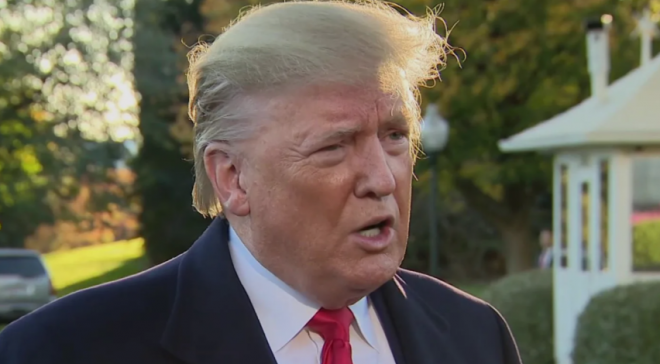
The lack of visible leadership comes as diplomatic pressure mounts over the fragile ceasefire arrangement with the United States. President Donald Trump recently said the ceasefire had been extended at Pakistan’s request, but analysts say the absence of a clear decision-maker in Tehran could complicate any move toward a formal agreement.
“The system appears to be functioning through delegated authority and indirect communication,” said Ali Vaez, Iran project director at the International Crisis Group. “But that limits the ability to make fast, comprehensive diplomatic decisions.”
The situation marks a sharp departure from the long and highly visible rule of Ayatollah Ali Khamenei, who regularly addressed the public and maintained a central role in policy-making.
Speculation has grown that real authority may now be concentrated within Iran’s security establishment and the Islamic Revolutionary Guard Corps, amid what some observers describe as an opaque transition of power.
Iranian officials have dismissed reports questioning the leader’s condition as “propaganda,” insisting he is fulfilling his duties. However, with no public audio or video appearances for more than 40 days, uncertainty continues to surround the country’s top leadership at a sensitive diplomatic moment.
GAROWE ONLINE