Iran Says Strait of Hormuz Closed, Sparking Fears of Oil Market Turmoil
-
 GAROWE ONLINE
- Posted On 02-03-2026, 10:40PM
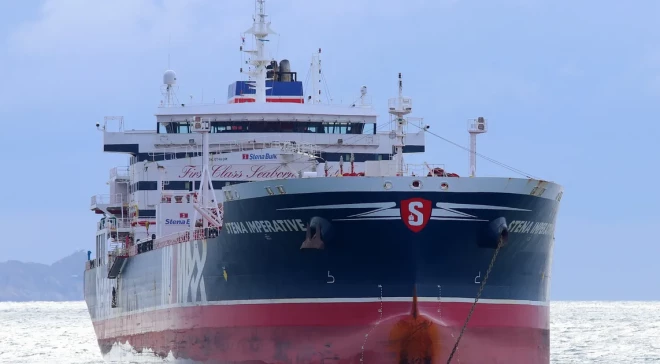
GAROWE, Somalia (Garowe Online) — Iran’s state media reported that the Islamic Revolutionary Guard Corps (IRGC) has declared the strategic Strait of Hormuz closed to maritime traffic, warning commercial and oil tankers against attempting to transit the waterway.
According to Reuters, a senior IRGC commander said vessels that try to pass through the strait would face direct attack, threatening that ships violating the order would be set ablaze. The remarks were carried by Iranian state outlets amid heightened regional tensions.
If implemented, the move would have sweeping consequences for global trade. Roughly 20% of the world’s oil supply passes through the narrow strait, which serves as the main maritime gateway from the Persian Gulf to the Gulf of Oman and the Arabian Sea. Iran borders the waterway to the north, while major oil producers including Saudi Arabia, Iraq, Kuwait, Qatar, Bahrain and the United Arab Emirates rely on it to export crude and liquefied natural gas, much of it destined for Asian markets.
Energy analysts warn that even a temporary disruption could rattle oil markets. A prolonged closure lasting weeks could push crude prices sharply higher and drive up natural gas prices in Europe, potentially returning them to levels seen during the 2022 energy crisis.
The potential fallout would not be limited to the Gulf region. Countries heavily dependent on imported fuel and seaborne goods, including Somalia, could face rising fuel prices and increased costs for basic commodities. Somalia relies on maritime imports for petroleum products and essential goods. Any disruption in shipping routes or spike in freight and insurance costs would likely translate into higher domestic prices and additional strain on an already fragile economy.
The development comes as regional tensions escalate, with global markets closely monitoring Tehran’s next steps and the response of international powers concerned about the security of one of the world’s most critical energy chokepoints.