OPINION: The end of the Predatory State of Somalia (2022–2026)
-
 Dr. Ahmed Artan Mohamed
- Posted On 14-05-2026, 05:12PM
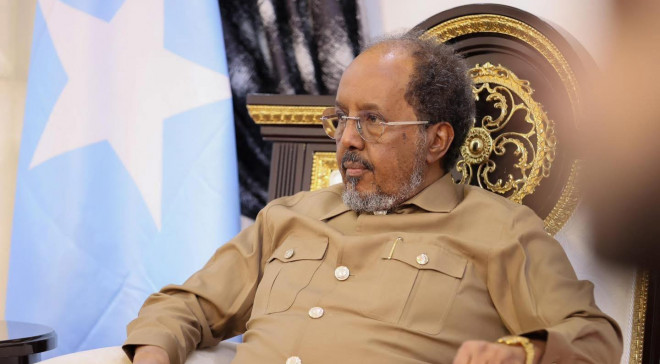
Let me begin by defining the term “predatory state.” Predatory governance refers to a system in which those in power exploit the resources, institutions, and rights of the citizens they are entrusted to serve. Such governance is often characterized by corruption, embezzlement, nepotism, abuse of power, and the systematic prioritization of elite interests over the welfare of the broader population.
In a predatory system, the ruling class enriches itself while state institutions deteriorate into tools of coercion and patronage. The consequences typically include entrenched corruption and cronyism, widespread inequality and poverty, weakened bureaucratic structures, nonexistent accountability, and the erosion of constitutional checks and balances.
According to many critics, Somalia under President Hassan Sheikh Mohamud (HSM) increasingly reflects the textbook characteristics of a predatory state. They argue that state resources have been treated as instruments of personal and political enrichment while ordinary citizens face abandonment, insecurity, and economic hardship.
Critics further contend that the administration has consolidated power through clan-based patronage networks, transforming the Federal Government of Somalia (FGS) into what they describe as a hollow and dysfunctional institution. In their view, political exclusion, marginalization of rival groups, and the misuse of national assets have become defining features of governance, sustained by corruption and loyalty-based politics.
As the expiration of the government’s mandate approaches, Somalia finds itself in an increasingly tense political climate. Concerns have intensified over the absence of a clear and broadly accepted electoral roadmap, as well as fears of a constitutional vacuum should a timely political transition fail to occur. Opposition voices accuse the president of resisting an orderly transfer of power and disregarding constitutional principles governing democratic succession.
The uncertainty surrounding the electoral process has fueled public anxiety. Analysts warn that the continued lack of consensus among political stakeholders risks deepening instability at a particularly fragile moment for the country.
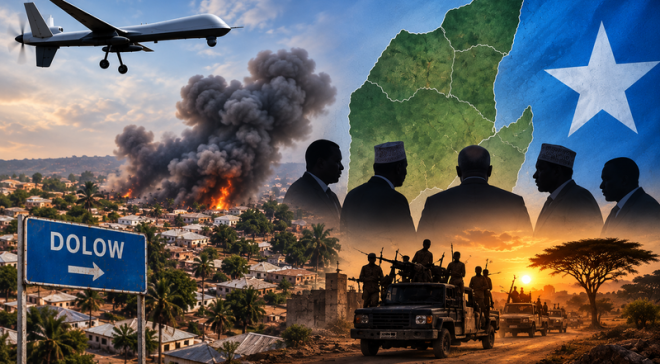
Recent controversies involving alleged seizures and auctions of public and private property have further inflamed tensions. Critics accuse the administration of accelerating the disposal of national assets before the end of its term, claims that government supporters strongly reject. Reports of displacement and violence linked to these disputes have added to the already volatile atmosphere in Mogadishu.
Many observers note that previous political transitions in Somalia, despite their difficulties, did not unfold under such intense constitutional uncertainty. The absence of an agreed framework for elections or transition planning has left the country facing one of its most serious political impasses in recent years.
Opposition figures and political analysts also allege that the administration has relied increasingly on clan-aligned security structures and patronage networks to maintain political control. They warn that militarization of political disputes could have dangerous consequences for national unity and state stability.
The current crisis has intensified criticism of Somalia’s top leadership. Detractors portray the country’s political establishment as ineffective, divided, and lacking the moral authority needed to guide the nation through a moment of profound uncertainty. They argue that years of political confrontation, constitutional disputes, and governance failures have pushed federal institutions to the brink of paralysis.
Corruption allegations remain central to the criticism directed at the administration. Opponents accuse senior officials of misappropriating state resources and donor funds while vulnerable communities continue to suffer from drought, displacement, and economic collapse. Although such allegations remain politically contested, they have significantly shaped public discourse surrounding the government’s legacy.
Critics argue that the presidency has crossed political and constitutional boundaries unprecedented in Somalia’s recent history. They insist that public office must serve the national interest rather than operate as a vehicle for personal enrichment or factional dominance.
Some commentators have even drawn comparisons between Somalia’s political trajectory and authoritarian regimes elsewhere in Africa, citing patterns of corruption, centralized power, and weakened institutions. Such comparisons, though controversial, reflect growing frustration among sections of the Somali public and political class.
For many Somalis, the stakes of the current crisis extend far beyond politics alone. The country faces mounting concerns over sovereignty, national cohesion, institutional collapse, and its international reputation. The fear among many observers is that continued political deadlock could further deepen instability and undermine the fragile progress Somalia has made over the past decades.
Ignoring the current crisis, critics warn, will carry high costs. The central question now confronting Somalia is how the ongoing legal and political disputes will ultimately be resolved.
With negotiations between major political stakeholders appearing increasingly strained, some analysts fear Somalia could enter a prolonged period without a fully legitimate and broadly accepted government, raising the specter of deeper instability in the years ahead.
Dr. Ahmed Artan Mohamed
Dr. Artan is a Senior Veterinarian and Former Deputy Minister of Livestock and Animal Husbandry in Puntland
DISCLAIMER: The views expressed in this article are the author's own and do not necessarily reflect Garowe Online's editorial policy.