Ethiopia says it must defend itself against Eritrea's 'all-out invasion'
-
 Staff Reporter GAROWE ONLINE
- Posted On 10-10-2026, 11:41AM

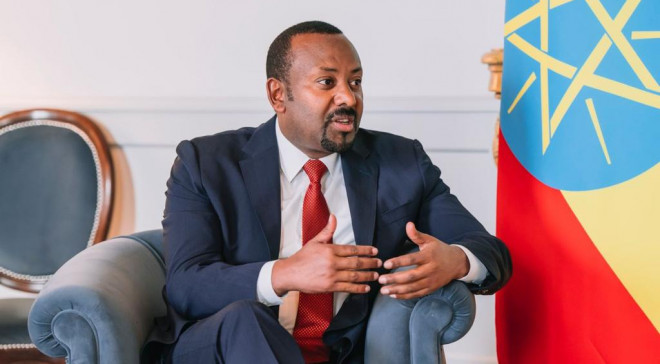
ADDIS ABABA – Ethiopia has accused Eritrean forces of launching an "all-out invasion" of its northern territory, saying it had no choice but to defend itself as explosions were heard near the border between the two countries.
In a letter to the United Nations shared with Reuters on Friday, Ethiopian Foreign Minister Gedion Timothewos said Eritrean troops had advanced as far as 60 kilometres (37 miles) into Ethiopia.
"The all-out invasion of parts of northern Ethiopia by Eritrea is a matter of public record," the letter said. "It is a blatant act of aggression that engages Ethiopia's inherent right to self-defence."
Dated Thursday and addressed to French Foreign Minister Jean-Noel Barrot, the letter was also sent to other members of the UN Security Council, a senior Ethiopian government official told Reuters.
Eritrea rejected the accusations, with Information Minister Yemane Gebremeskel saying his country had shown restraint in the face of what he described as an Ethiopian campaign of aggression lasting more than three years.
Citing statements by Ethiopian officials, Yemane accused Addis Ababa of seeking to seize the Eritrean port of Assab to regain access to the Red Sea. Ethiopia's prime minister, Abiy Ahmed, has repeatedly described access to the sea as a vital national interest, while insisting that the issue should be resolved peacefully.
The latest accusations followed reports that Eritrean soldiers had entered northern Ethiopia this week, days after the neighbours severed diplomatic ties. Eritrea has denied supporting an armed rebel alliance fighting Ethiopian federal forces.
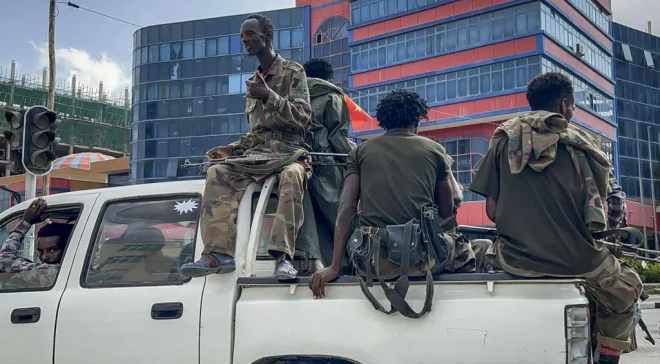
The conflict monitor ACLED said drone strikes, believed to have been carried out by the Ethiopian military, targeted Eritrean forces on Wednesday and Thursday as they withdrew from positions near Adigrat, a town in the northern Tigray region about 30 kilometres from the Eritrean border.
A resident of Adigrat told Reuters on Friday that repeated explosions could be heard overnight and into the morning from areas several kilometres outside the town.
Ethiopian government forces have continued to make gains in Tigray in recent days. National carrier Ethiopian Airlines said it would resume flights to Mekelle, the regional capital, on October 11.
Eritrea has denied backing the rebel alliance that has been fighting federal troops since September 23 in the northern regions of Tigray, Amhara and Afar.
Ethiopia lost its coastline when Eritrea gained independence in 1993. Abiy has argued that securing maritime access is essential for his landlocked country, but his government says it intends to pursue the objective through dialogue rather than force.
The two countries signed a peace agreement in 2018 after years of hostility, earning Abiy the Nobel Peace Prize that year. Eritrea later fought alongside Ethiopian federal forces during the 2020-2022 war in Tigray, but relations deteriorated again towards the end of that conflict.
The renewed fighting has heightened fears of a broader regional war in the Horn of Africa, where tensions over security and access to the Red Sea have grown. The Tigray conflict killed hundreds of thousands of people, according to estimates, and displaced millions.
GAROWE ONLINE