Transforming Borders into Bridges: Ethiopia’s Regional Integration Approach under Prime Minister Abiy Ahmed
-
 Yohannes Gashama Ethiopian Diplomat, Ethiopian Consulate General Office, Puntland State of Somalia.
- Posted On 21-09-2026, 06:20PM



The Horn of Africa remains highly vulnerable to political, economic, and climate-related shocks that no single country can effectively manage alone. These shared challenges underscore the need for collective action to strengthen resilience and reduce vulnerability. Regional integration therefore becomes essential to pool resources, enhance cooperation, and build a more stable and adaptive region capable of addressing common problems together.
Ethiopia’s recent foreign policy approach under Abiy Ahmed is guided by the philosophy of Medemer (Synergy), which emphasizes national unity, social cohesion, inclusive economic growth, and the alignment of institutions, ideas, and resources to advance national development domestically. It seeks to strengthen state institutions and foster national dialogue and reconciliation among diverse communities. Ethiopia also prioritizes neighboring countries as part of its regional integration foreign policy approach.
Regionally, Ethiopia's foreign policy focuses on promoting regional integration and interdependence through trade, infrastructure, energy, and transport connectivity. It seeks to strengthen cooperation within regional institutions such as the Intergovernmental Authority on Development and the African Union, advance economic integration through cross-border infrastructure projects, electricity exports, and transportation corridors, and pursue access to ports and maritime connectivity as part of its long-term economic and strategic interests. The policy also supports regional peace and security efforts in the Horn of Africa and promotes African-led solutions to African challenges through continental frameworks such as the African Continental Free Trade Area.
Globally, Ethiopia's foreign policy emphasizes constructive and pragmatic diplomacy, diversified international partnerships, and economic diplomacy aimed at attracting investment, trade, technology transfer, and development financing. It advocates for climate action and environmental sustainability through initiatives such as the Green Legacy Initiative, supports multilateralism through institutions, promotes Africa's interests in global governance, and seeks to maintain strategic balancing among major competing interests and other strategic partners.
Anchored in this vision, Ethiopia’s development agenda advances mega projects that expand energy capacity, improve transport and trade connections, and strengthen its role as a regional energy hub. These investments not only support national growth but also deepen economic ties with neighboring countries and the wider region, that helping to turn borders into bridges across the region.
In pursuit of this vision, Ethiopia has embedded regional integration into its institutional framework. The 2022 restructuring of the Ministry of Trade and Industry into the Ministry of Trade and Regional Integration reflects a practical step in advancing Prime Minister Abiy’s policy agenda, grounded in regional cooperation. It signals Ethiopia’s strategic commitment to strengthening economic, infrastructure, and diplomatic cooperation across the region.
Peace and Security Engaments: Ethiopia strongly upholds the United Nations principle of collective security. Despite current regional tensions, it continues to discharge peacekeeping roles in Somalia, South Sudan, and the Abyei Area, reflecting its commitment to regional peace and stability.
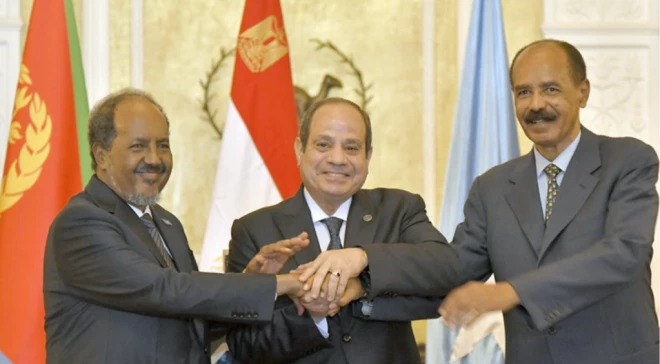
In line with Prime Minister Abiy Ahmed’s regional integration approach, his strategy combines diplomacy, a good offices role in regional disputes, and major infrastructure projects to promote stability, connectivity, and shared prosperity across the region. Key achievements include the Tripartite Agreement with Eritrea and Somalia, the resolution of the maritime dispute between Kenya and Somalia, the Peace Agreement with Eritrea, support for the South Sudan peace process, Sudan transition talks, and other initiatives. Ethiopia view regional pecae and stability not as an external responsibility but as a shared necessity.
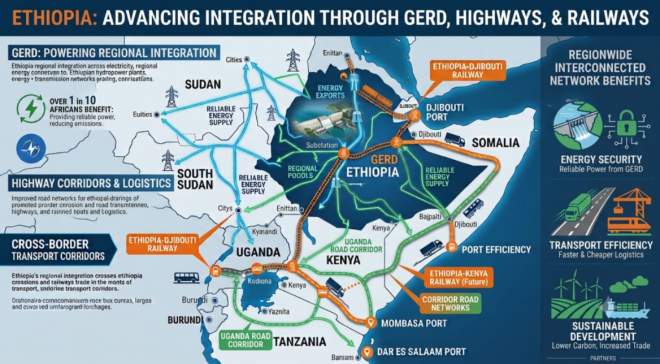
Energy: Ethiopia is strengthening regional energy links through cross‑border interconnections and expanding export capacity. A flagship example is the Ethiopia–Kenya Electricity Interconnector (Sodo–Moyale–Suswa), enabling cross-border electricity trade and integrating regional power networks across Kenya, Tanzania, and eventually Uganda through the Eastern Africa Power Pool framework.
Ethiopia also exports electricity to Sudan under existing grid agreements, with capacity set to expand significantly. Djibouti has relied on Ethiopian hydropower since 2011. In South Sudan, Ethiopia has advanced interconnection efforts for electricity exports to largely off-grid areas.
Cooperation with Somalia is also emerging in the energy sector. The project is supported by the World Bank, and feasibility studies for two of the three planned interconnection routes have already been completed. The initiative aims to supply lower-cost Ethiopian hydropower to Somalia. Planned transmission lines would connect Ethiopia and Somalia through three entry points—Doolow, Wajaale, and Goldogob—strengthening regional energy integration and economic cooperation.
Transport: Ethiopia’s transport networks forms a backbone for regional trade, mobility and integration. Connectivity with South Sudan is advancing through the Paloich–Maiwut–Pagak Road, cross-border highway linking South Sudan’s oil-producing regions to Ethiopia’s transport corridors and onward to the Port of Djibouti. More broadly, the South Sudan–Ethiopia–Djibouti Transport Corridor is expected to improve access to regional and global markets. To the south, improvements at the Moyale border crossing, including one-stop border posts, have streamlined customs procedures and facilitated trade between Ethiopia and Kenya. Complementing these efforts, the Lamu Port–South Sudan–Ethiopia Transport (LAPSSET) Corridor provides an alternative gateway to the sea by connecting Kenya’s Lamu Port with Ethiopia and South Sudan.
On the sidelines of the 39th African Union Summit, Djibouti, Ethiopia, South Sudan, and Uganda signed an agreement establishing the Djibouti–Ethiopia–South Sudan–Uganda (DESSU) Corridor Management Authority. The initiative aims to modernize regional trade and improve access to ports. For Ethiopia, the DESSU Corridor reflects its broader strategy of promoting regional integration through connectivity, trade facilitation, and infrastructure development.
Ethiopia also connects to Pan-African highways, Trans-African Highway 7 (Dakar–Ndjamena–Addis Ababa), linking Kenya, Sudan, South Sudan, and beyond to promote cross-border trade and movement. Complementing these corridors, the Addis Ababa–Djibouti Railway accelerates cargo transit to the coast and is slated for future expansion toward Kenya and South Sudan, embedding Ethiopia further into East African networks. These roads and railways exemplify Ethiopia’s practical approach to regional integration and enhancing connectivity.
Trade corridors and ports are central to Ethiopia’s regional integration, with the Port of Djibouti serving as its main maritime gateway and Lamu Port in Kenya offering an alternative route to the Indian Ocean. Participation in the African Continental Free Trade Area (AfCFTA) further enhances cross-border trade, regional value chains, and market access. Alongside these initiatives, Ethiopia continues to pursue reliable and diversified access to the Red Sea through diplomatic engagement and regional cooperation.
Ethiopia continues to advance regional integration through cross-border digital connectivity and technological cooperation. The February 2026 agreement between Ethio Telecom, Djibouti Telecom, and Sudatel Group to establish a fiber-optic network linking Ethiopia, Djibouti, and Sudan, together with initiatives led by the Ethiopian Artificial Intelligence Institute and the planned Ethiopian Artificial Intelligence University, which is set to offer scholarships to African students before the end of 2026, underscores Ethiopia’s commitment to strengthening regional connectivity, knowledge sharing and collaborative development across Africa.
Ethiopia’s aviation sector is another pillar of regional integration, facilitating movement of people and goods, and boosting trade, tourism, and people-to-people ties. Bishoftu International Airport will reinforce Ethiopia’s role as a regional and continental aviation hub.
On the other hand, Prime Minister Abiy Ahmed’s Green Legacy Initiative has contributed to regional environmental cooperation through experience sharing, seedling sharing, and by inspiring similar initiatives in countries with its neighbouring coountries and even beyond.
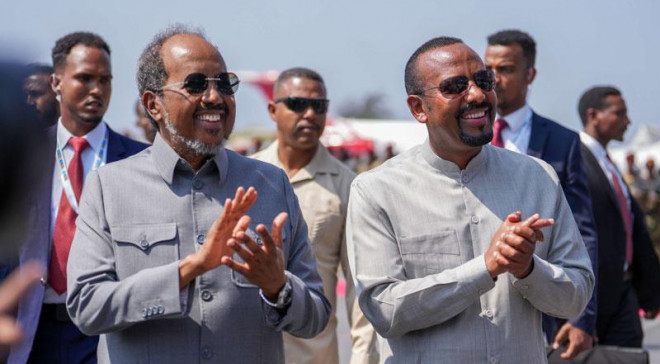
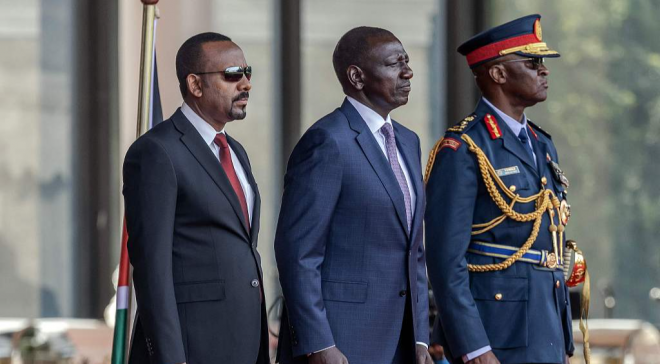
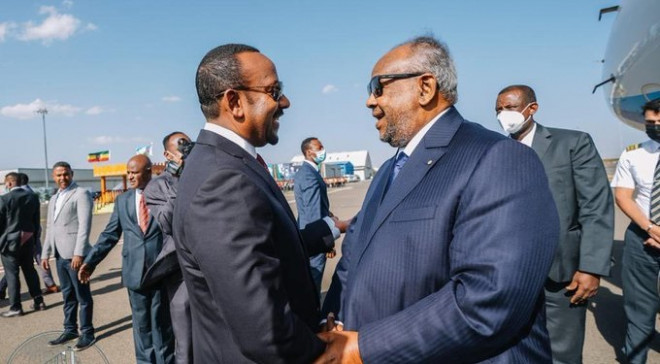
Leveraging these milestones, the inauguration of the Grand Ethiopian Renaissance Dam, the Aysha II Wind Power Project, and the Shabeely Resort marked a new phase of multilateral engagement, bringing together regional leaders, including the Presidents of Djibouti, Kenya, and Somalia, among others, and highlighting expanding cooperation in energy, tourism, and economic diversification.
Ethiopia’s regional integration driven by its mega projects offers key opportunities in energy, trade, and connectivity. This, position the country as a regional energy hub, deepening economic ties, turning borders into bridges, and creating a “peace dividend” for shared cooperation. At the same time, regional integration faces significant challenges. Persistent instability in the region, unequal benefit perceptions—coupled with limited understanding of the Prime Minister’s regional cooperation approach, and external interferences can weaken trust and reduce engagements. Financial pressures, institutional capacity limitations, and technical gaps further complicate collaborative efforts.
To conclude, Ethiopia believes in both burden-sharing and benefit-sharing across the region through collective efforts. The major initiatives undertaken under Prime Minister Abiy Ahmed reflect a practical and forward-looking approach to translating vision into measurable outcomes. By linking infrastructure development with diplomacy and regional integration, Ethiopia is fostering greater connectivity, economic interdependence, and cooperation. Collectively, these initiatives are laying the foundation for enhanced trade, sustainable growth, and long-term regional prosperity.
By Yohannes Gashama, Ethiopian Diplomat, Ethiopian Consulate General Office, Puntland State of Somalia.