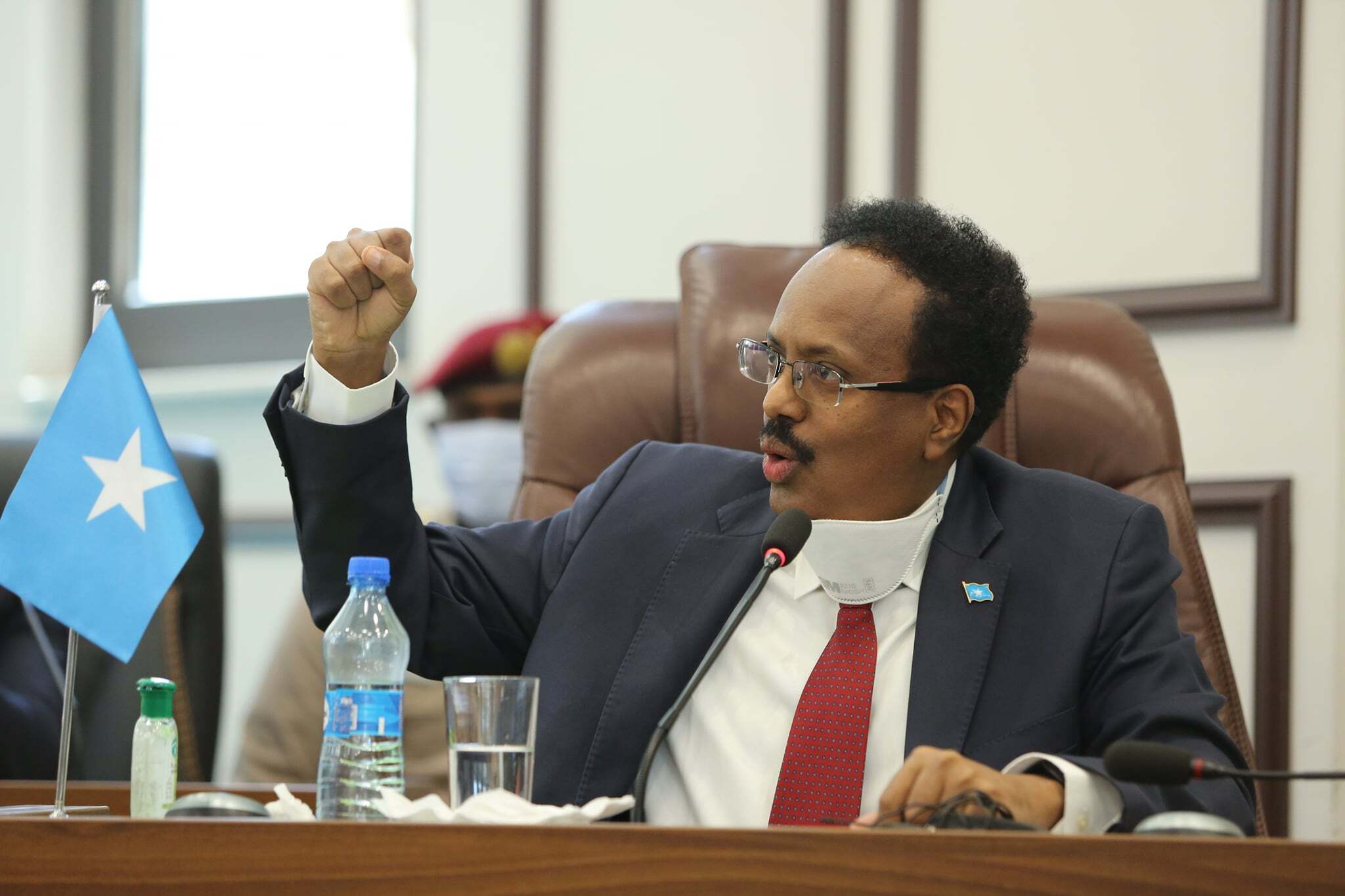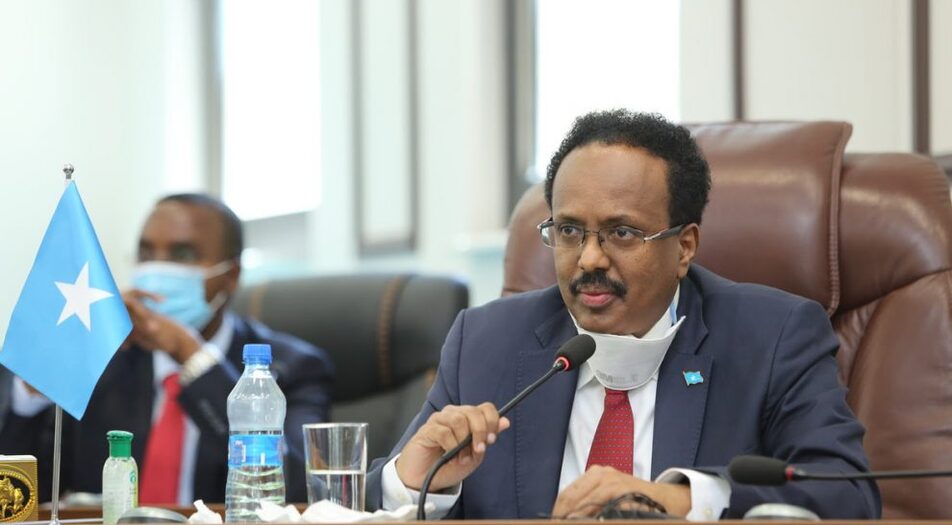
MOGADISHU, Somalia - Somalis will have an opportunity to directly pick their representatives in the much-anticipated polls, President Farmajo has hinted, in a move that would bring to an end of the clan-based model, popularly known as 4.5, which is not anchored in the law.
The current tenure of parliament and executive ends in October, but there have been concerns over the country's state of preparedness, fueling internal disputes among the political rivals in Somalia, which has never held a credible election since independence.
Later this month, the parliamentary ad-hoc committee and National Independent Electoral Commission [NIEC] are set to table a report in parliament, which among others, will define the date and electoral model to be used in the upcoming elections.
But while opening the 7th session of a joint sitting of Senate and Lower House, Farmajo endorsed the universal suffrage model, probably hinting some of the recommendations by the teams that were mandated to prepare for the elections.
Somalis, he noted, will exercise their rights by voting representatives of their choice, and exercise that effectively ends the clan dominance approach, which has been used as a compromise in a country that is fighting the ghosts of inter-clan conflicts and Al-Shabaab menace.
“It’s clear that the elections we are planning to hold are different from the previous elections which took place in the country,” said Farmajo in reference to the one-person-one-vote model, which is being fronted by several international partners.
While asking the public to shun violence, Farmajo insisted that the model was the only channel to allow citizens to make choices "without being coerced" during elections. This means that NIEC must prepare a voter registration to ensure the exercise succeeds.
Somalis, he said, should come out in large numbers and pick leaders who will steer the national agenda for the next four years. The country is preparing for polls at the time it's simultaneously struggling to contain Coronavirus pandemic and unending Al-Shabaab attacks.
"I urge the Somali people to come out and vote freely and to vote for the party they want to overcome the deadly diseases such as tribalism, poverty, and terrorism,” added Farmaajo, who is facing fierce competition from two of his predecessors.
Before his address, a section of lawmakers booed the president, while also singing the national anthem, expressing dissatisfaction to his leadership, which has been subjected to criticism in the recent months.
The clan-based system, he noted, would create a recipe for chaos, which has entangled the country for the last three decades. He hailed them for passing the electoral bill, which is, however, still a borne of contention in the Horn of Africa nation.
“Tou have passed the elections bill which I have even assented to and I can assure you that this country will no longer hold elections based on clans or bloodshed,” Farmajo said. “We are heading to an election where every citizen will be able to vote and elect their favorite candidate and political party.”
It's anticipated that by December, parliamentary polls would have been held before elections of a president who is primarily picked by MPs. Farmajo's assurance came just a week after Prime Minister Hassan Ali Kheire made similar pronouncements.
But his pronouncement could spark another heated national debate following resistance from a section of the opposition team. Last month, both Wadajir party and Forum for National Parties [FNP], called for retaining of the clan-based model, arguing that the time remaining cannot give room to adequate preparations for universal suffrage polls.
However, Puntland President Said Abdullahi Deni discredited the clan-based model last week, arguing that it doesn't have a constitutional basis. Preliminary talks to have a dialogue between FGS and federal states collapsed last week when Southwest reportedly refused to acknowledge a compromise date.
James Swan, the UN envoy to Somalia, hailed parliament for reopening amid Coronavirus pandemic in a statement issued on Saturday. Parliament, he said, should work on the pending matters before holding of elections later on this year.
"I wish to express my appreciation for your work and encourage you to bring all stakeholders together, to foster reconciliation, build consensus on national priorities and contribute to addressing the challenges facing the country," he said.
Similar sentiments were backed by Ben Fender, the British envoy to Somalia, who also exuded confidence in the holding of universal suffrage polls, the first since the war-torn nation gained independence in 1960.
"Hope MPs and Senators can pass quickly the remaining measures to enable the first direct elections in 50 years - will be a historic achievement. I also hope they can soon adopt a revised budget to allow the best COVID response," he tweeted.
MPs are also set to discuss the representation for Banadir and Somaliland regions, who have traditionally had minimal representation in Parliament. The 30 percent quota rule for women in parliament is also set to be debated.
GAROWE ONLINE