South Sudan government, rebel groups sign ceasefire
-
 Reuters
- Posted On 22-12-2017, 05:24PM

ADDIS ABABA - South Sudan’s government and rebel groups signed a ceasefire on Thursday in the latest attempt to end a four-year civil war and allow humanitarian groups access to civilians caught in the fighting.
The ceasefire aims to revive a 2015 peace deal that collapsed last year after heavy fighting broke out in South Sudan’s capital Juba. It was agreed after talks in the Ethiopian capital Addis Ababa convened by regional bloc IGAD.
A decision by President Salva Kiir to sack his deputy Riek Machar triggered the war in the world’s youngest country. The war has been fought largely along ethnic lines between forces loyal to Kiir, who is Dinka, and Machar, who is Nuer.
Tens of thousands have died and a third of the population of 12 million have fled their homes. The conflict has since mutated from a two-way fight into one involving multiple parties and this has made it harder to find peace.
Representatives of Kiir and Machar were both presents at the signing.
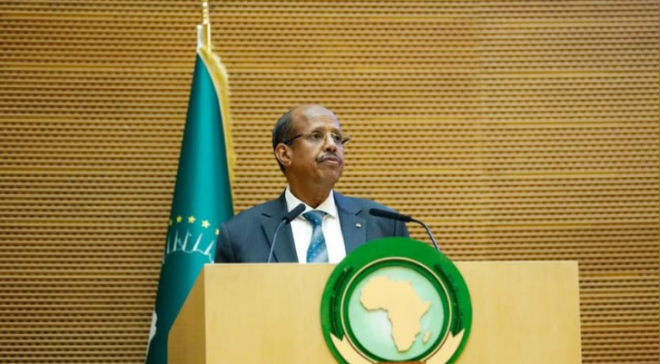
“I do hope in signing this agreement, you will try to put an end to this tragedy... This is an encouraging first phase,” said Moussa Faki Mahamat, chairperson of the African Union Commission.
Ethiopia’s Foreign Minister Workneh Gebeyehu, also present, said: ”There is no longer any excuse for the violations of human rights. All parties are obliged to observe the cessation of hostilities agreement.
Diplomats at the talks told Reuters the next phase of the negotiations would now center on thrashing out a revised power-sharing arrangement leading up to a new date for polls.